

Argus Green Marine Fuels Asia Conference 2026 agenda
Explore the full agenda for Argus Green Marine Fuels Asia, designed to address the key challenges and opportunities in the transition to low‑carbon and alternative marine fuels. The programme brings together leaders in shipping, bunkering, fuel supply, policy and technology to discuss green ammonia, methanol, biofuels, hydrogen, carbon‑reduction strategies, and the infrastructure required for a net‑zero maritime sector.
Review the sessions below to see the insights, case studies and market updates shaping the future of maritime decarbonisation in Asia. If you would like to discuss speaking opportunities at the 2027 event, please get in touch.Click below to view the 2026 agenda for each day
- 12:30 - 14:00
Networking lunch and Registration
Join us for an exclusive networking lunch bringing together attendees from our three flagship conferences - Biofuels, Carbon, and Green Marine Fuels. This high-value, focused setting connects key stakeholders shaping the future of energy and beyond
- 14:00 - 14:10
Chairperson's opening remarks
Speaker:

Mahua Mitra
Editor, Marine Fuels (Asia)Argus- 14:10 - 14:50
Regulation in flux: can global and regional policies keep the energy transition on course?
- With the IMO’s net-zero framework now delayed until 2026, how does uncertainty affect investment, fuel supply, and transition planning?
- How are evolving IMO and regional (EU, UK, Singapore) regulations shaping fuel-transition timelines and operational realities for shipowners?
- Can the industry realistically meet 2030 and 2050 decarbonisation targets amid growing disconnects between ambition, technology, and finance?
- How can shipowners and regulators bridge fragmented regional schemes such as FuelEU Maritime, ETS, and carbon taxation to ensure alignment?
Speakers include:

Sunil Krishnakumar
General Manager, SingaporeInternational Chamber of Shipping
Siti Zaini
Regional Manager AsiaIBIA
Joey Ng
Head of Decarbonisation and Fuel TransitionBraemar
Russell Fernandes
Emissions ManagerST Shipping and Transport Pte Ltd / Glencore UK Ltd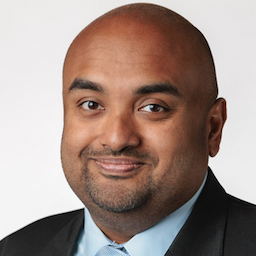
Muhamad Fadhil
SVP Strategy and Business DevelopmentArgus- 14:50 - 15:30
KEYNOTE - Scaling beyond pilots: how can the maritime value chain coordinate fuel choices and commercial pathways?
- How can shipowners, ports, fuel producers and other key players move from pilot projects to commercially scalable adoption of low-carbon fuels?
- What strategies can align investment and infrastructure development across multiple fuel pathways (methanol, ammonia, LNG, hydrogen)?
- How can partnership models and offtake agreements balance risk and reward across the supply chain?
- What partnership or financing models can balance risk and reward across the fuel value chain?
- With IMO delays increasing, which transitional fuels and dual-fuel strategies can act as effective hedges?
Speaker:

Pauline Chua
Deputy Director (Energy Efficiency and Net Zero Pathways)Maritime and Port Authority of Singapore (MPA)
Isabelle Ireland
Head of Corporate OperationsInterContinental Energy
Ognjen Plakalovic
Head of Asia Pacific Aviation and Marine Fuels SalesExxonMobil Asia Pacific
Shoji Matsukawa
General Manager, Carbon Neutral Project DepartmentMitsubishi Gas Chemical
Rohit Radhakrishnan
Chair, Marine Fuels CommitteeSingapore Shipping Association (SSA)
Theodore Talbot
Head of Climate Finance & EconomicsMaersk McKinney Moller Centre for Zero Carbon Shipping- 15:30 - 16:10
Networking coffee break
- 16:10 - 16:50
Infrastructure and green corridors: Is APAC ready for multi-fuel, multi-route operations?
- How can ports adapt existing bunkering and storage infrastructure to support green fuels at scale?
- Where are the biggest infrastructure and logistics gaps across Asia-Pacific routes, and what cross-border collaborations are needed to close them?
- What lessons are emerging from early green corridor initiatives (Singapore–Rotterdam, Australia–Japan, China–Singapore), and how do they reshape infrastructure planning?
- What operational strategies are needed for vessels navigating multi-fuel corridors with varying levels of fuel readiness?
Speakers include:

Amy Chan
Deputy Secretary for Transport and Logistics,The Government of the Hong Kong Special Administrative Region
Naomi van den Berg
Program Manager Sustainable TransportPort of Rotterdam
Sebastiaan Bruins
Bunkers, New Fuels & EUAFratelli Cosulich
Mark Lim
Commercial Manager Stolthaven Singapore/Business Development Manager, AsiaStolthaven Terminals
Chris Chatterton
Maritime AdvisorGlobal Centre for Green Fuels- 16:50 - 17:00
Chairperson's closing remarks
Speaker:
Mahua Mitra
Editor, Marine Fuels (Asia)Argus- 17:00 - 18:15
Evening drinks reception
- 08:00 - 09:00
Breakfast and registration
- 09:00 - 09:10
Chairperson’s opening remarks
Speaker:
Mahua Mitra
Editor, Marine Fuels (Asia)Argus- 09:10 - 09:50
Are shipowners ready to commit to alternative fuels – or still hedging their bets?
- How are shipping companies balancing early investment in alternative fuels versus a wait-and-see approach amid regulatory uncertainty?
- How are fuel availability, infrastructure gaps, and operational realities shaping shipowner decisions today?
- How has the postponement of the IMO decarbonization framework affected shipowners’ short- and medium-term fuel strategies?
- Are shipowners continuing to pursue fuel transitions, or are some pausing/suspending investments until greater clarity emerges?
Speakers include:

Yasuyuki Ota
General Manager, Green Marine Fuels Business TeamMitsui O.S.K. Lines
Felicia Ng
Senior Green Fuel OriginatorMaersk
CK Ong
PresidentU-Ming Marine Transport Corporation
Natarajan Jagadeesan
General ManagerOrient Marine Co- 09:50 - 10:30
Is methanol’s momentum real, or are major bottlenecks about to slow it down?
- What lessons are emerging from the first wave of methanol-fuelled vessels in terms of operational performance and safety?
- How are supply, production ramp-up, and technology maturity shaping the availability of conventional, bio and e methanol?
- How do Chinese policies, protectionism, and evolving national standards affect regional supply, pricing, and market dynamics?
- What investment signals and industry coordination are needed to accelerate bio and e methanol production at scale?
Speakers include:

Deepak Devendrappa
General ManagerVenture Energy Limited/Wah Kwong Energy
Nor Fairolzukry Ahmad Rasdy
Technical Sales SpecialistPetronas
Chen Shi
Vice PresidentGoldwind Green Energy & Chemicals Technology (Jiangsu) Co
David Wang
DirectorCIMC ENRIC
Becky Zhang
Asia Methanol Lead ConsultantArgus- 10:30 - 11:15
Networking coffee break
- 11:15 - 12:00
LNG in a net-zero world - can it stay relevant as a transitional fuel?
- What factors are driving renewed interest in LNG-fuelled vessels, particularly in Asia?
- How is the industry addressing methane slip and emissions performance improvements?
- Can bio-LNG and e-LNG extend LNG’s role as a bridge fuel toward net-zero?
- How are pricing, feedstock availability, and policy frameworks shaping Asia’s LNG and biomethane outlook?
- How could Middle East geopolitical tensions impact LNG supply, pricing, and regional trade flows?
Speakers include:
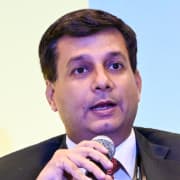
Saunak Rai
General Manager
Choong Sheen Mao
Chief Operating OfficerEquatorial
Kirill Vinokurov
Superintendent, technical and sustainabilityAnglo AmericanMahua Mitra
Editor, Marine Fuels (Asia)Argus- 12:00 - 12:40
Is Ammonia really ready for global deployment or are we still early?
- How can key ammonia production hubs in Asia be linked with ports and end-users to ensure stable supply?
- What are the key safety and regulatory challenges of storing and bunkering ammonia in populated ports?
- How ready are ammonia-capable engines and bunkering systems for commercial deployment?
- What technical and policy frameworks are essential to enable large-scale ammonia adoption?
Speakers include:

Ashish Anilan
Senior Manager, Green Shipping DeskItochu
Andrew Hoare
Head of Green ShippingFortescue
Satinder Virdi
Principal Consultant, Head of Research and DevelopmentDNV
Steve Tan
Editorial ManagerArgus Media- 12:40 - 13:40
Networking lunch break
- 13:40 - 14:30
Biofuels focus: Can biofuel supply chains scale fast enough – and stay truly sustainable?
- How rapidly are biofuel bunkering volumes scaling globally and regionally, and what role is Singapore playing as a leading hub?
- How are different players managing sourcing, feedstock availability, and the sustainability of biofuels?
- What challenges are arising from trade barriers, origin disputes, and feedstock fraud (e.g., UCOME), and how are stakeholders addressing them?
- How do blend specifications, sector competition, and regulatory frameworks impact adoption and supply chain planning?
Speakers include:
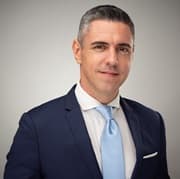
Loic Brachet
Biofuels Trading LeadAramco Trading
Shawn Yeong
APAC Senior OriginatorRepsol
KK Wan
Senior Trader, Head of Alternative EnergyChimbusco Pan Nation
Riccardo Barbiellini
Director, Future Shipping Team, South East Asia & PacificBureau VeritasChris Chatterton
Maritime AdvisorGlobal Centre for Green Fuels- 14:30 - 15:15
Is ethanol a serious contender for deep-sea shipping? Or just a niche alternative?
- How are new standards (ISO, ASTM, IMO) shaping ethanol’s competitiveness versus methanol and biofuels?
- Can ethanol provide a flexible, lower-cost pathway for dual- and tri-fuel engines?
- Could ethanol become the most cost-competitive “green molecule” for certain routes or vessel types?
- What lessons from Brazil’s massive ethanol economy can accelerate maritime adoption globally? How are ASEAN producers positioning ethanol for export into maritime markets?

Erik Karlsen
Sales ManagerEverllence Singapore Pte. Ltd.
Paula Nava
Director of Sustainability & External RelationsMarquis Energy Global
Liu Ming
Research DirectorMaritime Energy & Sustainable Development Centre of Excellence Nanyang Technological University
Seshadri Gopalakrishnan
Sustainability Leader - Future Shipping TeamBureau Veritas
Clarence Woo
Managing DirectorGlobal Centre for Green Fuels- 15:15 - 16:00
Networking coffee break
- 16:00 - 16:40
Emerging technologies - which innovations will unlock the next decarbonization leap?
- Are conventional fuels still relevant in the next decarbonization leap, and which emerging technologies can enhance their efficiency?
- How viable are shipboard carbon capture, hydrogen, and nuclear technologies for commercial shipping, and what are the key operational and regulatory challenges?
- What are the pros and cons of different hydrogen storage and transport technologies and which are most suitable for maritime use?
- How can nuclear propulsion become commercially viable, and what lessons can be drawn from specialized vessels?
Speaker:

Esteve Servajean
Head of MarineAderco
Sanjay Verma
Senior Consultant, Decarbonisation, MarineWartsila Singapore Pte Ltd
Xuan Hong Lim
Deputy Director (Emerging Technologies, Decarbonisation and Net-Zero Pathways)Maritime and Port Authority of Singapore (MPA)
Elisa Woodward
DirectorSwellhaven Consultancy- 16:40 - 17:10
Unlocking finance - how can capital flow amid regulatory uncertainty?
- Which technologies, vessel types, and trade routes are attracting financing in 2026, and why?
- How are decarbonization targets and evolving regulations influencing lending decisions, credit risk, and investment appetite?
- How can shipowners align operations, ESG performance, and strategic planning to meet lender expectations and secure financing?
- What innovative financing structures or partnerships can unlock capital while mitigating risk amid market and regulatory uncertainty?
Speaker:

Rajesh Subramanian
Director, Global Lead Shipping Energy TransitionING
Aik Hui Chua
PartnerCampbell Johnston Clark Singapore LLPTheodore Talbot
Head of Climate Finance & EconomicsMaersk McKinney Moller Centre for Zero Carbon Shipping
Ignacio Hernandez
CEO APACHIF GlobalMuhamad Fadhil
SVP Strategy and Business DevelopmentArgus- 17:10 - 17:15
Chairperson’s closing remarks
Speakers include:
Mahua Mitra
Editor, Marine Fuels (Asia)Argus
Super early bird rate
20-22 April 2027, Singapore