
Argus Lithium
Visão geral
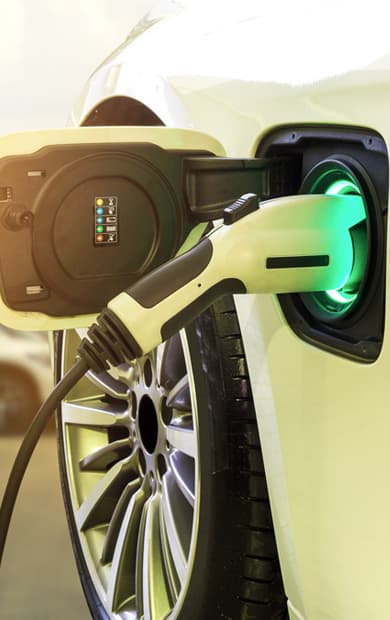
O interesse nos preços do lítio continua a crescer como resultado da revolução dos veículos elétricos, impulsionando a demanda por baterias de íons de lítio. Em resposta a essa maior necessidade de dados e análise de preços pontuais precisos e oportunos, a Argus lançou duas novas avaliações de lítio em 2018:
Hidróxido de lítio, 56,5%, grau de bateria, fob China
Carbonato de lítio, 99,5%, grau de bateria, cif China
As avaliações de preços de lítio da Argus aparecem em nosso relatório Argus Battery Materials, que inclui comentários detalhados sobre o mercado e notícias e análises relevantes para o mercado. A Argus publica os preços de metais menores dos EUA semanalmente às terças-feiras, com os preços da Europa, Índia e China publicados quinzenalmente, às terças e quintas-feiras.
What moves lithium prices day to day?
Lithium prices vary by product, location, and delivery terms, rather than reflecting a single universal number. Day-to-day moves in the market typically follow changes in battery-sector demand, shifts in spot availability of Lithium units, and regional logistics costs embedded in the assessed price. Prices can also react quickly to policy and trade developments affecting critical Minerals and other Metals, as procurement teams adjust buying patterns in response to tariffs, export controls, or permitting requirements. Comparing movement across lithium hydroxide, lithium carbonate, and spodumene assessments can help users distinguish short-term tightness from structural demand growth.
Understanding Lithium Prices
Regional Benchmarks, Specifications and Market Dynamics
When comparing assessments across regions, it is important to account for specifications, taxes, and Incoterms. Ex-works, fob, cif, ddp, and in-warehouse prices include different freight, insurance, and duty assumptions, so the headline price is not directly comparable without normalising those costs. Grade and impurity limits also matter: battery-grade lithium carbonate and lithium hydroxide typically trade at different levels than technical material, because battery producers must control trace Metals that can affect cathode performance. Using consistent units ($/kg vs $/t) and understanding VAT inclusion or exclusion supports cleaner cross-market analysis for Lithium procurement.
China:
| Assessment | Grade |
|---|---|
| Carbonate 99.5% ex-works China | Li2CO3 99.5% min, VAT inc. |
| Carbonate 99.5% ex-works China (USD/kg, ex-VAT) | Li2CO3 99.5% min, VAT excl. |
| Carbonate 99.5% cif China | Li2CO3 99.5% min |
| Hydroxide 56.5% ex-works China | LiOH·H2O 56.5% min, VAT inc. |
| Hydroxide 56.5% ex-works China (USD/kg, ex-VAT) | LiOH·H2O 56.5% min, VAT excl. |
| Hydroxide 56.5% fob China | LiOH·H2O 56.5% min, duty paid |
| LFP cathode active material ex-works China | Lithium 3.9–5.0%, VAT inc. |
| LFP cathode active material excl. VAT (USD/kg) | Lithium 3.9–5.0%, VAT excl. |
Asia-Pacific & Africa:
| Assessment | Grade |
|---|---|
| Spodumene 6% Li2O fob Australia | 5.5–6.2% Li2O, norm. to 6% |
| Spodumene 6% Li2O cif China | 5.5–6.2% Li2O, norm. to 6% |
| Spodumene 5–5.5% Li2O fob Australia | 5–5.5% Li2O |
| Spodumene 5.5% Li2O fob southern Africa | 5.5% min Li2O |
| Spodumene 2–4% Li2O fob southern Africa | 2–4% Li2O |
| Carbonate 99.5% cif Japan/Korea | Na ≤0.065%, Cl ≤0.015%, Fe ≤0.001% |
| Hydroxide 56.5% cif Japan/Korea | CO2 ≤0.35%, Cl ≤0.002%, S ≤0.10% |
Europe:
| Assessment | Grade |
|---|---|
| Carbonate 99.5% in-warehouse Rotterdam | Na ≤0.065%, Ca ≤0.040%, Fe ≤0.001% |
| Hydroxide 56.5% in-warehouse Rotterdam | CO2 ≤0.35%, Ca ≤15 wppm, Fe ≤5 ppm |
Americas:
| Assessment | Grade |
|---|---|
| Carbonate (technical grade) 99% ddp US | Li2CO3 99% min |
| Carbonate (battery grade) 99.5% ddp US | Li2CO3 99.5% min |
| Hydroxide 56.5% ddp US | LiOH 56.5% min |
| Carbonate 99.5% fob Argentina | Li2CO3 99.5% min — netback from cif China |
Upstream supply and downstream conversion economics can create timing differences between spodumene and refined product pricing. Spodumene concentrate values influence converter margins, but the pass-through to lithium carbonate and lithium hydroxide depends on plant utilisation, contract coverage, and the pace of buying by cathode and battery producers. During periods of fast-changing demand, refiners may shift production toward one product slate, which can widen the spread between Lithium hydroxide and lithium carbonate. Tracking these relationships alongside inventories and conversion capacity helps market participants understand why Lithium units can tighten even when mined supply appears adequate.
Long-term supply contracts
Battery manufacturers and cathode producers use Argus lithium assessments to index multi-year offtake agreements, providing a neutral benchmark independent of either party.
Battery cathode costing
Argus lithium hydroxide and carbonate assessments feed directly into Argus NCM, NCA, and LFP battery cathode price calculations, used by automotive OEMs and cell manufacturers.
Trade policy & tariff analysis
With US tariffs and critical minerals policy reshaping lithium supply chains, Argus assessments across Australia, Argentina, China, and the US provide the cross-regional visibility procurement and policy teams need.
Contract surcharges
Companies that manufacture products downstream of an Argus index, for example a forged product or specialty alloy, incorporate relevant Argus price assessments into monthly or quarterly surcharges. Surcharges enable producers to pass on changes in raw material costs, such as titanium ingot or scrap solids, to their consumers.
Business planning
With geopolitical events interrupting supply of lithium products from major producing regions, coverage of alternative supply markets became a critical part of the news cycle. Beyond just the impact on pricing, businesses needed to understand whether they would even be able to get material to keep their operations running. Argus provides news on the entire supply chain from challenges to procuring the necessary volumes, to tariffs and export bans. If it will impact your business, Argus will explain the how and the why.
Beyond spot purchasing, companies use Argus assessments to manage price risk and budget uncertainty. Treasury and procurement teams reference benchmark lithium prices in hedging discussions and scenario planning, particularly when demand visibility for EV and stationary storage battery production changes quickly. Downstream manufacturers that use specialty Metals in addition to Lithium-bearing inputs may align internal cost models to consistent benchmarks so that price movements can be traced through cathodes, cells, and finished components. This supports standardised reporting across regions and provides a clearer basis for negotiations when suppliers propose formula-based adjustments tied to the market price.
Selecting the right price series depends on how and where you buy. Start with the product (lithium carbonate, lithium hydroxide, or spodumene), then match the assessment location and delivery basis to your procurement reality (for example, cif vs in-warehouse). Confirm whether the series reflects battery-grade specifications and whether taxes such as VAT are included, so the price aligns with how invoices are settled. Finally, check that the series reflects your exposure to demand shocks—battery-led demand can lift one region or product faster than another—so the benchmark captures the Lithium cost you face in the market.
Argus publishes daily lithium carbonate and hydroxide spot prices for the China ex-works market, alongside weekly assessments for Japan/Korea, Rotterdam, and US markets. Prices are available via Argus Direct, Argus Data Science Studio, and third-party data platforms.
Argus assesses ex-works China lithium carbonate and hydroxide in both Yn/t (VAT inclusive) and $/kg (ex-VAT), converting via the prevailing exchange rate. European and Asian assessments are published in $/t.
Lithium carbonate (Li₂CO₃) is the primary feedstock for LFP batteries; lithium hydroxide (LiOH) is preferred for high-nickel NCM and NCA cathodes. Argus publishes both assessments daily in China and weekly across other regions, reflecting the differing demand dynamics in each cathode chemis
Spodumene concentrate is the primary hard-rock lithium ore, typically traded at 6% Li₂O. Argus publishes weekly fob Australia and cif China assessments, normalised to a 6% Li₂O basis. The fob Australia price is calculated as a netback from the cif China assessment using a weekly freight rate derived from market participant surveys.
Lithium prices are published in the Argus Battery Materials report, available through Argus Direct. Historical data, electronic data feeds, and API access are available for subscribers. Contact an Argus specialist to discuss data delivery options.
Explore nossos produtos em metais
Principais avaliações de preço
As avaliações de preços da Argus são reconhecidas pelo mercado como indicadores confiáveis do valor real de mercado. Explore algumas de nossas avaliações de preços mais utilizadas e relevantes. (isso é o mesmo para todos os módulos de preço chave).