
Вебинары Argus

European PE & PP Market Webinar: Key Drivers Shaping European Prices and Market Structure

Live
Thursday 12 November at 15:00 GMT

European polyethylene (PE) and polypropylene (PP) markets have experienced exceptional price volatility throughout 2026, driven by a convergence of geopolitical, regulatory and structural pressures that have fundamentally altered market dynamics across the region.

Key developments shaping the market this year include ongoing conflict in the Middle East, significant rationalisation and consolidation within the European petrochemicals industry, heightened merger and acquisition activity, changes to EU anti-dumping duties affecting trade with the United States, continued global capacity additions, and persistently subdued demand growth in Europe.

Many of these factors are expected to exert a lasting influence on market fundamentals, trade patterns, and pricing dynamics well into 2027.

This European focused PE and PP market webinar brings together Argus polymer experts to examine these developments in depth and explain what they mean for producers, traders, converters, and end users across the value chain.

What we'll cover

2026 Price Trends
European PE and PP price movements and the key market developments of 2026.
Argus Price Methodology
How Argus assesses European PE and PP prices and what makes this approach distinctive.
European Supply Composition
How the mix of European PE and PP supply sources has changed in 2026.
Global Capacity Impact
What continued global capacity expansion means for European polymer market dynamics.
Trade Flow Realignment
How evolving global PE and PP trade flows are reshaping Europe's competitive position.
2027 Price and Profitability Outlook
Key factors expected to influence PE and PP prices and producer margins into 2027.

Why register

  • Expert market analysis
    Hear directly from Argus editors and analysts covering European PE and PP markets every day.
  • Trade flow and pricing clarity
    Get structured analysis of how geopolitical events, capacity growth and policy changes are altering European polymer prices and supply flows.
  • Forward-looking outlook
    Get structured analysis of factors shaping PE and PP prices and margins into 2027.
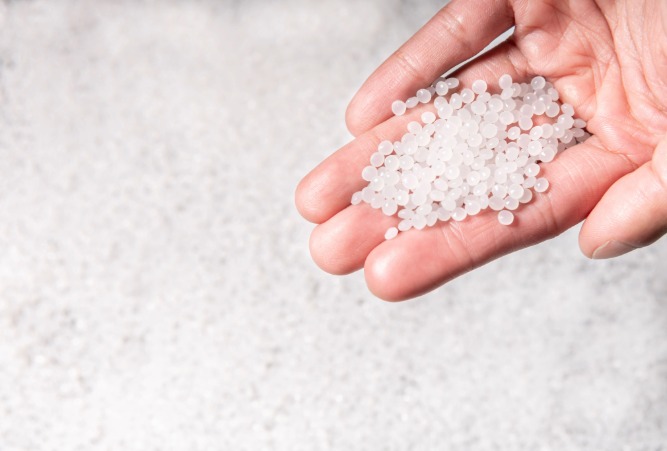
Polyethylene Hand

FAQs

The webinar covers European polyethylene (PE) and polypropylene (PP) price trends throughout 2026, including the impact of geopolitical developments, supply chain shifts, EU anti-dumping policy changes, and global capacity additions. Speakers will also discuss the outlook for prices and profitability into 2027.

European PE and PP prices have been shaped by a combination of factors in 2026, including ongoing conflict in the Middle East, significant rationalisation within the European petrochemicals industry, changes to EU anti-dumping duties, sustained global capacity additions, and persistently weak demand growth across the region.

Argus uses a transparent, methodology-driven approach to price assessment that reflects actual transacted prices in the European market. The webinar will specifically examine Argus' differentiated methodology for PE and PP and explain what distinguishes it from other assessment approaches.

Producers, converters, distributors, traders, brand owners, and market participants seeking to better understand the forces driving European PE and PP prices, supply dynamics, and trade flows in an increasingly global market.

Registrants who cannot attend live will receive a link to the webinar recording by email following the event. On-demand access is typically available within 24–48 hours.

The webinar is free to attend. Registration is required to secure a place and to receive the joining link and any post-webinar materials.

About Argus Media

Argus is the leading independent provider of market intelligence to the global energy and commodity markets, offering price assessments, news, analytics, consulting, data tools and industry conferences. Headquartered in London with 1,500 staff across 30 offices, Argus's metals experts provide in-depth pricing, news and analysis across nonferrous metals, rare earths and battery materials.