

Browse the 2026 agenda by selecting a day below
Welcome drinks and registration
- 16:30 - 18:30
Registration and badge pickup
Pick up your badges and register at our registration zone and meet your colleagues.
- 16:30 - 18:30
Welcome to Rio - Sunset Reception sponsored by PRIO
Begin your Rio experience the night before with a vibrant sunset welcome reception, sponsored by PRIO. Enjoy cocktails, live music and light bites while connecting with delegates against the iconic backdrop of Rio’s coastline.
Day 1: 19 May 2026
- 8:00
Doors open and registration extension
Badge pick up open at the registration desk. Coffee and breakfast served in exhibition hall.
- 8:50 - 9:00
Chairperson's welcome
Speakers Include:
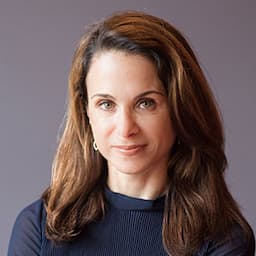
Vanessa Viola
Executive Vice President, Latin America & Global Head of LPG- 9:00 - 9:30
Opening Keynote: Shell in Brazil and the Country’s Role in Shell’s Global Strategy and Portfolio (Portuguese)
Speakers Include:

Cristiano Pinto da Costa
PresidentShell Brasil- 9:30 - 10:00
Keynote: Ministry of Mines and Energy, Brazil (Portuguese)
Speakers Include:

Renato Dutra
National Secretary of Petroleum, Natural Gas and BiofuelsMinistry of Mines and Energy, Brazil- 10:00 - 10:30
Global Crude Outlook in a Year of Macro & Geopolitical Turmoil (English)
- Hormuz crisis implications for inflation, FX, global trade and GDP growth;
- Shifting alliances: how might the global crude market landscape change?
- Short term crude market fundamentals – surplus, what surplus?
- Distinguishing between cyclical and structural market changes
Speakers Include:

David Fyfe
Chief Economist- 10:30 - 11:00
Morning Networking Break
- 11:00 - 11:30
PPSA 2026 Oil Tender - Rules, Volumes & Milestones (English)
- Overview of the tender structure, lot design and the sequencing of volumes expected across 2026
- Eligibility requirements, documentation standards and common pitfalls that slow bidder approvals
- How FOB pricing interacts with freight strategies, VLCC pairing and timing considerations for Brazilian and Argentine barrels
- Bidder readiness milestones, from pre qualification to award, and how timing affects commercial positioning
- PPSA expectations around performance, transparency and communication with market participants
Speakers Include:

Samir Awad
Director of Administration, Finance & CommercializationPPSA- 11:30 - 12:00
Scaling Medanito Exports and Enabling VLCC Logistics (Spanish)
- What does YPF’s transition toward a shale‑focused producer mean for Argentina’s export growth?
- How is Medanito performing in refinery runs, and where is it most competitive versus WTI?
- Which are the midstream expansions that are enabling the shift of Medanito volumes from regional placement to global market access?
- How is VMOS going to scale up Argentina’s crude oil exports, and what needs to happen next?
Speakers Include:

Mauricio Martin
VPE Midstream & DownstreamYPF SA- 12:00 - 13:30
Networking Lunch
- 13:30 - 14:15
Panel: Vaca Muerta Export Growth, VLCC Enablement and Buyer Acceptance (Spanish)
- Market access and arbitrage: how trading desks evaluate windows for Argentine crude into Asia, Europe and the US Gulf, and what clears those windows
- Scaling Vaca Muerta exports commercially: pricing references, optionality, and what the world should expect from Vaca Muerta’s growth and development as volumes expand
- VLCC enablement and infrastructure readiness: realistic timelines, execution risk, and remaining constraints across pipelines, ports, draft limits, pairing and STS capacity
- Reliability in practice: scheduling discipline, nominations, loading performance and demurrage risk, and how these factors impact netbacks and repeat liftings
- Buyer acceptance and term appetite: quality governance, blend consistency and specification transparency, and what buyers need to see to increase repeatability and term interest
Speakers Include:

Gustavo Chaab
CEOVMOS
Romina Poli
Crude TraderYPF
Julio Faldin
SVP, Business Development Latin AmericaArgus- 14:15 - 15:00
Panel: Atlantic Basin Medium/Heavy Crude and Logistics, System Balance, Blending and Import Economics (Spanish)
- How medium/heavy grades are being valued across the Atlantic Basin, and what is driving relative value between domestic placement and exports
- How refinery system constraints and product cracks shape demand for heavier barrels, and where substitution is reaching its limit
- Quality governance and blending strategy, including which specifications and transparency practices most influence buyer confidence
- Execution and logistics, including nominations, scheduling, documentation, port performance, STS and coastal movements, and where the biggest value leakage occurs
- Import viability over the medium term, what would make programmes workable commercially, and the implications for flows and differentials
Speakers Include:

Alfonso Curet
Commercial Director Oil & GasGrupo Cobra
Victoria Sabbioni
Commercial VicePresidentCGC
Adolfo Storni
CEOCapex
Nazareno Ferrero
Senior Business Development Manager Southern ConeArgus Media- 15:00 - 15:40
Coffee Break
Coffee and evening snacks served
- 15:40 - 16:10
Venezuela and Heavy Crude Dynamics (English)
- How Venezuela’s evolving sanctions outlook could reshape heavy–sour balances across the Americas
- Refining systems in Asia, Europe and the US Gulf are recalibrating slate choices - where do Venezuelan barrels fit and where are constraints tightening?
- Blending, routing and storage strategies that are emerging as refiners seek consistency in heavy grade supply
- Compliance, documentation and banking considerations that shape counterparties’ willingness to transact
- What additional transparency or operational certainty buyers need before scaling Venezuelan-linked programmes
Speakers Include:
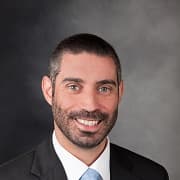
Gus Vasquez
Americas Editorial Manager, Crude and LPGArgus- 16:10 - 16:55
Panel: Latin American Supply Outlook (English)
- Supply growth trajectories across the region as new FPSOs, frontier developments and declines intersect
- How Guyana and Suriname’s ramp ups alter Atlantic Basin flows and the competitive landscape for light sweet barrels
- Quality and decline trends in Mexico and Colombia, and the extent to which policy can stabilise output
- Freight volatility, refinery shifts and regional storage constraints influencing netbacks and route selection
- Which producers may capture incremental market share into Asia and Europe through 2027
Speakers Include:

Alipio Ferreira
Vice President- Crude Oil Trading BrasilPetroChina Brazil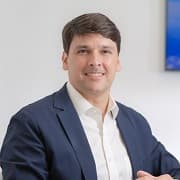
Gustavo Hooper
Head of Trading & ShippingPRIO
Matt Smith
Director of Commodity ResearchKPLER
Roberto Ardenghy
President and CEOIBPVanessa Viola
Executive Vice President, Latin America & Global Head of LPG- 16:55 - 17:00
Chairperson's closing remarks
Speakers Include:
Vanessa Viola
Executive Vice President, Latin America & Global Head of LPG- 17:00 - 18:30
Drinks Reception
Day 2: 20 May 2026
- 8:00
Doors open and breakfast meetings
Doors open and exhibition open to coffee meetings
- 9:00 - 9:05
Chairperson's opening remarks
Speakers Include:

Camila Dias
Head of Editorial, Latin America & Managing DirectorArgus- 09:05 - 09:35
Risk, Volatility and Hedging Strategies for Latin American Crude in a Dislocated Market (English)
- The crude market is moving through one of its most unpredictable periods in years, driven by rapidly shifting geopolitical and structural forces. What does a modern risk framework need to capture that older models may have missed?
- Latin American barrels are increasingly exposed to external shocks rather than regional fundamentals, raising the question of how companies can distinguish between background volatility and risks that genuinely change commercial outcomes - and how to respond when they do
- Price cycles are becoming shorter and more extreme, creating both upside opportunity and downside hazard. How is that driving changes in approach to risk management and what should companies consider doing differently?
- Traditional hedging structures are being stress‑tested as correlations break down and liquidity becomes uneven. What tools or approaches offer real protection in a market where dislocation can happen overnight?
- Operational vulnerabilities - from product tightness to logistical bottlenecks - can escalate quickly and unexpectedly. How do these factor into a risk management framework and how can firms get ahead of these matters before they become a major issue?
Speakers Include:

Rob McLeod
Global Head of Energy Risk SolutionsHartree Partners- 09:35 - 10:20
Panel: Freight Market Outlook and VLCC Pairing Strategies (Portuguese / English)
- Rate dynamics, vessel utilisation and DP shuttle constraints remain key determinants of export feasibility
- Port performance, draft limits and STS bottlenecks continue to drive scheduling risk and influence pairing economics
- How carriers, traders and charterers are adapting contract structures to manage market volatility
- The role of FFAs, route optionality and carbon linked adjustments in freight risk management
- Which pairing strategies are proving commercially reliable under current volatility patterns?
Speakers Include:

Arturo Vial
Market Intelligence AnalystUltranav
Victor Pessoa
Ship to Ship Operations ManagerPorto Sudeste
Victor Bomfim
CEOVast Infraestrutura
Joao Scheller
Senior Reporter - Oil ProductsArgus- 10:20 - 10:50
Morning Networking Break
- 10:50 - 11:20
Petrobras Presentation (Portuguese)
Speakers Include:

Ivan de Araujo Franco Damasio
Crude Trading ManagerPetrobras- 11:20 - 11:50
The Stock Market Incorporates the Current Crude Scenario (Portuguese)
Speakers Include:

Rodrigo Almeida
Head of Oil & Gas ResearchBTG Pactual- 11:50 - 12:35
Panel: Finance and M&A - Investment Signals and Commercial Readiness (Portuguese)
- Consolidation across Brazil, Guyana and Argentina is highlighting where capital sees long term opportunity
- Investors are evaluating emissions governance, quality consistency and transparency in due diligence processes
- FPSO timing, VLCC infrastructure and refinery fit remain key determinants in valuation models
- How lenders quantify risk premiums associated with freight volatility, political shifts and sanctions
- What counterparties can prioritise to accelerate deal timelines and improve financing outcomes
Speakers Include:

Bruno Donato
Associate DirectorMacquarie
Danielle Gomes de Almeida Valois
PartnerTrench Rossi Watanabe
Luiz Carvalho
CFOBrava Energia
Conrado Mazzoni
Business Development ManagerArgus- 12:35 - 12:40
Chairperson's Closing Remarks
Speakers Include:
Camila Dias
Head of Editorial, Latin America & Managing DirectorArgus- 12:40 - 14:00
Networking Lunch