

2026 Agenda
(ADD-ON) Seabrook Terminal Tour
- 08:30 - 12:00
Guided bus tour of the Seabrook Terminal, including transportation and refreshments.
(ADD ON) Interactive workshop - hosted by Argus
- 13:00 - 13:10
Chairperson’s opening remarks
- 13:10 - 13:30
Macro and geopolitical backdrop to the market in 2026/2027
- How does the global supply demand balance look for 2026/2027?
- The impact of rising geopolitical & geoeconomic tensions on global crude trade flows?
- What key risks confront producers and traders for 2026/2027?
- Target markets & key opportunities for Americas producers
Speakers Include:

David Fyfe
Chief EconomistArgus Media- 13:30 - 14:00
WTI’s onshore logistics, Midland to coast to docks
- Why does the pipeline market have so many more trade iterations compared to other markets, and how does this impact liquidity and price transparency?
- What makes WTI at Houston (ONEOK East Houston terminal) the key price benchmark with over 1 million barrels per day of spot physical trade?
- How does Argus develop its WTI FOB USGC price assessment, and why is it priced relative to MEH and ICE?
- How does this pricing approach serve European and Asian buyers of WTI?
Speakers Include:

Gus Vasquez
Americas Editorial Manager, Crude and LPGArgus- 14:00 - 14:30
New Argus pricing tools, features and applications
- What are the key features of Argus pricing tools such as Balmo, ex-pipe Cushing, FOB Vancouver, and related tanker freight rates and forward curves?
- How do traders practically use these new pricing tools in their market activities?
- 14:30 - 15:00
Canadian Petroleum Equalization
- How and why “dilbit” blends such as Cold Lake and AWB are created in western Canada.
- How pipeline specifications for quality are established.
- How industry shipper committees establish equalization methods to address quality differences within co-mingled pipeline systems.
- Issues arising from co-mingling or pooling streams of crude or condensate.
- 15:00 - 15:30
Networking break
Take the opportunity to explore displays featuring maps and trade calendars, providing valuable insights into market logistics and trading schedules.- 15:30 - 16:00
Permian market balance and pipeline infrastructure
- What facilities exist at both ends of the TMX pipeline, and how are batches injected and segregated within the system? How can shippers request and monitor loading windows at Westridge?
- What is the typical timeline for a barrel traded at Edmonton to reach markets in China or California?
- How does condensate support oil sands production, and what are the key pipelines, fractionators, and storage facilities for condensate at Edmonton?
- How do US condensate pipelines like Cochin and Southern Lights integrate into Canadian crude logistics?
- What factors determine condensate quality, and what is the scheduling timeline for loading crude barrels onto Enbridge or Keystone pipelines to the US Gulf?
- 16:00 - 16:30
Argus Client Success demonstrating Workspaces: Pulling the data together without short circuiting your brain
- Overview of Argus Workspaces: intuitive dashboards for data integration
- How to consolidate complex crude market data into clear, actionable insights
- Demonstration of key features: customizable views, real-time updates, and interactive charts
- Enhancing trading decisions with centralized data tools
Speakers Include:

Sydney Suttor
VP Sales, Customer SuccessArgus- 16:15 - 16:30
Argus Client Success demonstrating Workspaces: Pulling the data together without short circuiting your brain
- Overview of Argus Workspaces: intuitive dashboards for data integration
- How to consolidate complex crude market data into clear, actionable insights
- Demonstration of key features: customizable views, real-time updates, and interactive charts
- Enhancing trading decisions with centralized data tools
Speakers Include:
Sydney Suttor
VP Sales, Customer SuccessArgus- 16:30 - 17:00
Q&A – ask your most pressing questions
Expert insights and practical advice from Argus speakers and industry professionals
- Clarifications on crude market fundamentals and strategic outlook for 2026–2027
- In-depth queries on pipeline logistics, pricing benchmarks, and regional market dynamics
- Opportunity to explore application of new Argus pricing tools and data platforms
- Addressing challenges and opportunities in North American crude flows
Speakers Include:

Jeff Kralowetz
VP Business DevelopmentArgus MediaGus Vasquez
Americas Editorial Manager, Crude and LPGArgusSydney Suttor
VP Sales, Customer SuccessArgusDavid Fyfe
Chief EconomistArgus Media- 17:00 - 17:05
Chairperson’s closing remarks
- 17:00 - 19:00
Welcome drinks reception & registration
Open to all conference attendees
Main conference day one
- 08:00 - 09:00
Registration and coffee
- 09:00 - 09:15
Argus welcome address
Speakers Include:

Euan Craik
Special Advisor- 09:15 - 09:20
Chairperson’s opening remarks
Speakers Include:

John Demopoulos
SVP Business DevelopmentArgus- 09:20 - 10:00
Special guest speaker keynote address: Global politics, United States foreign policy and Implications for energy markets
Speakers Include:

Admiral James Stavridis
16th Supreme Allied Commander, NATO; Partner and Vice Chairman, Carlyle; New York Times Bestselling Author; Senior Military Analyst, CNN- 10:00 - 10:30
CEO fireside chat: View on the future of crude oil and refining
Speakers Include:

Mark Lashier
Chairman and Chief Executive OfficerPhillips 66- 10:30 - 10:40
Short speech - Carl McCain Memorial Foundation
- 10:40 - 11:15
Morning coffee and networking
Positioning Americas crude supply on a global stage
- 11:15 - 11:55
Keynote fireside chat: Government and energy - Lessons from Texas’ Shale Surge
- Aligning state and federal energy policies to deliver long-term regulatory certainty
- Leveraging technology to expand public access to well and pipeline data
- Managing the growing challenge of produced water as a constraint on shale development
Speakers Include:

Jim Wright
ChairmanTexas Railroad Commission- 11:55 - 12:40
How is the fragile macroeconomic and geopolitical environment impacting commodity demand?
- Economic growth in the age of trade wars – regional & sectoral differences
- Shifting centres of oil demand growth as China matures
- How are US-China tensions, Middle East volatility, and Russia’s repositioning reshaping oil trade flows?
- Will OPEC+ maintain unity as non-OPEC supply rises? How is renewed Middle East instability influencing OPEC’s cohesion and supply strategy for 2026 & 2027 The quality conundrum: where next for sweet-sour crude spreads?
Speakers Include:

Pedro Antonio Merino Garcia
Chief EconomistRepsol
Amanpreet Singh
Energy AnalystBarclays
Frederic Lasserre
Global Head of Market Research & AnalysisGunvor GroupDavid Fyfe
Chief EconomistArgus Media- 12:40 - 14:00
Networking lunch
Make valuable connections with industry leaders and experts in a relaxed setting designed to foster collaboration and deal-making.
Transparency around global crude markets
- 14:00 - 14:45
Keynote trader panel: How are crude traders interpreting the current volatility, and what signals are shaping their strategies?
- What are the most influential macro forces shaping oil prices into 2026,and what scenarios are traders preparing for?
- With new benchmarks emerging (for example, TMX-linked barrels, WTI MEH), how are traders adjusting their pricing models and contract structures?
- How is liquidity evolving across physical and derivative markets, and how are trading houses adapting their portfolios in response?
- How are traders using data analytics, AI, and market signals to enhance pricing and hedging strategies?
- How are firms adapting their strategies to increased speculative activity, deeper options markets, and persistent volatility?
Speakers Include:

Nick Sweeney
Co-Head Global Crude TradingGunvor Group
Peter Keavey
Managing Director and Global Head of Energy and Environmental ProductsCME Group
James Tramontana
GMAtlantic Trading Marketing Inc (TotalEnergies)John Demopoulos
SVP Business DevelopmentArgus- 14:45 - 15:30
Refinery perspectives: What do today’s refiners want and what does it mean for crude markets?
- How are shifting demand patterns for gasoline, diesel, and jet fuel reshaping refinery slate decisions and crude preferences?
- Which grades (heavy, light, sweet, sour) are most favoured in today’s economic and regulatory environment?
- As refineries close or convert, where will displaced crude volumes go, and are we entering a structural crude surplus in the Gulf?
- How are refiners managing pricing negotiations and margin pressures amid tight supply and weak inventories?
- What could trigger the next shift in product supply or spark a margin rally?
Speakers Include:

Jeff Warman
CEOMonroe Energy
Joseph Israel
Chief Operating OfficerDelek USJohn Demopoulos
SVP Business DevelopmentArgus- 15:30 - 16:00
Afternoon coffee and networking
Freight
- 16:00 - 16:45
Freight panel: adapting to changing crude export patterns
- How are evolving crude export flows - including Canadian TMX volumes and plateauing Permian output - reshaping global shipping routes and infrastructure needs?
- What are the ripple effects of Red Sea disruptions and chokepoints on freight costs, vessel availability, and route economics?
- How are traders and logistics firms adjusting to delays, congestion, and rerouting risks?
- What’s the outlook for shipbuilding capacity, fleet renewal, and vessel retirement - can supply keep pace with demand?
- Which midstream and terminal investments are most critical to enabling the next phase of North American crude exports?
Speakers Include:
.jpg%3Fh%3D285%26iar%3D0%26w%3D319%26rev%3D173057c1ffaf43b5a77318cc03ffc4fb%26hash%3DE1F673809D87CD4450F8281DE80CFFC0&w=256&q=75)
Stefanos Kazantzis
Commercial DirectorMcquilling
Charles Chasty
Head of ResearchAffinity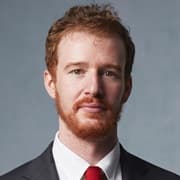
Nicholas Watt
Freight Editorial ManagerArgus
Closing remarks
- 16:45 - 16:55
Chairperson’s closing remarks and close of conference day one
Speakers Include:
Nicholas Watt
Freight Editorial ManagerArgus- 17:00 - 19:00
Networking drinks reception
Unwind and continue discussions in an informal, social atmosphere.
Main conference day two
- 08:15 - 09:15
Morning coffee and networking
- 09:15 - 09:20
Chairperson's opening remarks
- 09:20 - 10:00
Special guest speaker keynote address
Speakers Include:

Robert Lighthizer
18th United States Trade Representative (USTR) from 2017 to 2021- 10:00 - 10:30
Venezuela's return to global markets: Opportunities and challenges
Speakers Include:
Gus Vasquez
Americas Editorial Manager, Crude and LPGArgus
Latin America's oil surge
- 10:30 - 11:15
Networking coffee break
- 11:15 - 12:00
Latin America’s oil surge: Can it rebalance Western Hemisphere crude flows?
- Is surging output from Guyana, Brazil, and Argentina shifting the balance of hemispheric supply - and can Asia absorb the volumes?
- What’s driving Latin America’s export growth - and which countries are best positioned for sustained gains?
- How resilient is Brazil’s 2025–26 production growth to political and policy change?
- What are the prospects for private investment in Brazil, Guyana, and Argentina amid FX, credit, and regulatory risks?
- How will rising Latin American supply integrate with U.S. Gulf and Asian markets, and what roles will China and India play in regional offtake?
- How are shifting trade flows and tanker dynamics - including DPP routes, Gulf Coast and Canadian crude movements, and vessel availability - reshaping Latin American crude logistics in a volatile market?
Speakers Include:

Fernando Colares
Global Head of Crude OilPetrobras
Alipio Ferreira
Vice President- Crude Oil Trading BrasilPetroChina Brazil
Vanessa Viola
Executive Vice President, Latin AmericaArgus- 12:00 - 12:30
China and India's changing crude access: Implications for Canadian, Brazilian and Venezuelan flows in 2026
Speakers Include:

Tom Reed
Vice-President, China Crude and ProductsArgus
Exploring Canada's changing role on the crude stage
- 12:30 - 14:00
Networking lunch break
- 14:00 - 14:45
Canada: What’s required to make Canada a leading force in global heavy crude markets?
- Can TMX meaningfully shift Canada’s export strategy, or will infrastructure bottlenecks continue to limit its potential?
- To what extent will carbon limits constrain oil sands projects in Canada?
- How are Canadian crude producers looking at the question of boosting production? What are the signs they are showing the same kind of restraint as producers in the Permian?
- How is the evolving energy relationship between Asia and the Middle East shifting, and could the TMX project disrupt traditional supply routes or trading dynamics?
- What are the key de-bottlenecking and expansion projects underway or planned in Western Canada - and how soon will they ease infrastructure constraints?
Speakers Include:

David Braziel
President and CEORBN Energy LLC
Jason Balasch
Vice President, Business Development & Commercial ServicesTrans MountainJeff Kralowetz
VP Business DevelopmentArgus Media
kpler workshop
- 14:45 - 15:30
Kpler interactive workshop
Speakers Include:

Matt Smith
Lead Oil Analyst, AmericasKpler
Interactive working group
- 15:30 - 15:35
Chairperson's closing remarks
Agenda
For speaking opportunities on the 2027 agenda, please contact:
Daniel Laventry
Porfolio Manager
Email: daniel.laverty@argusmedia.com